Back to Home
UX Design.
AI Companion.
Mental Health .
Research & Analysis
Character Design
UX & Interaction
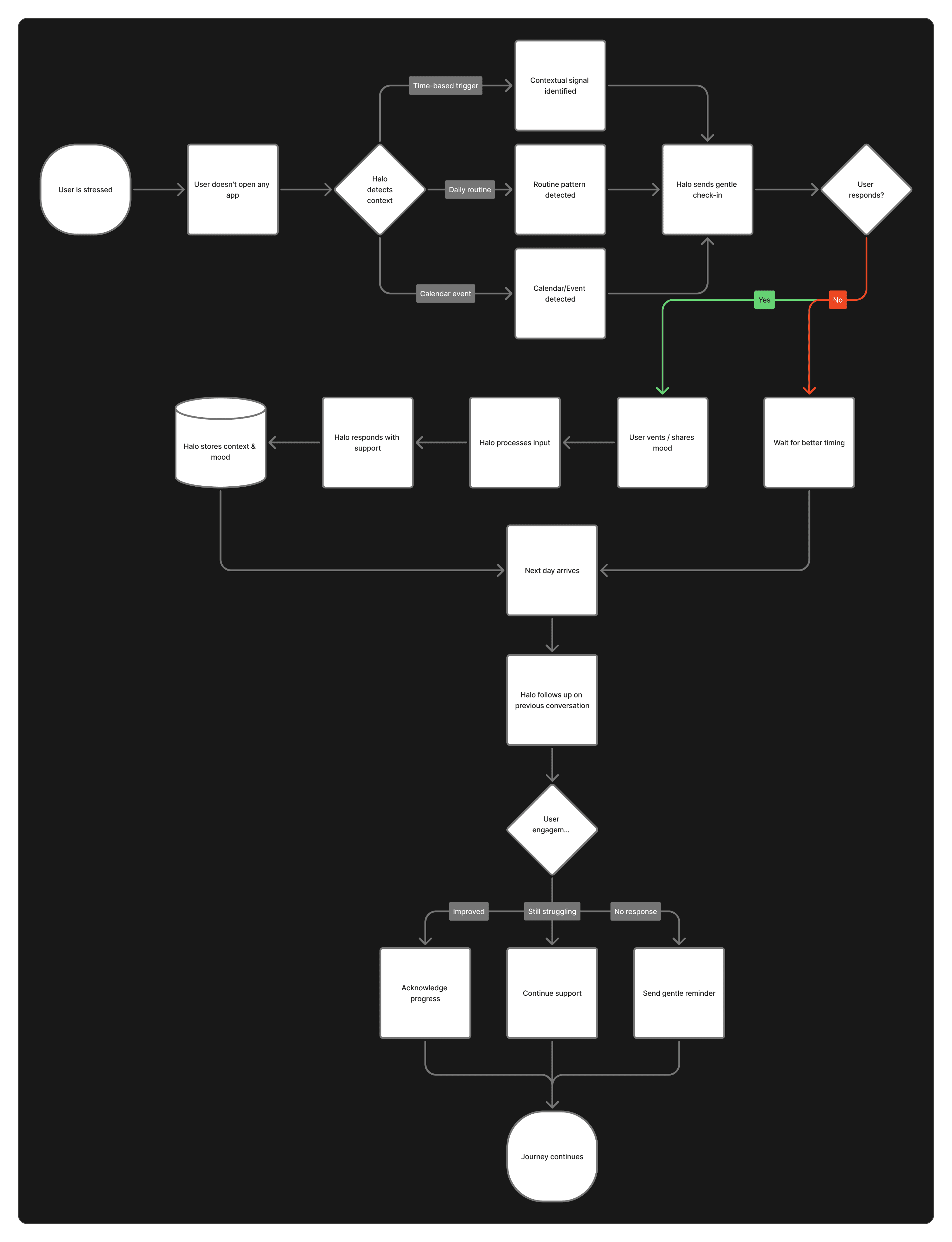
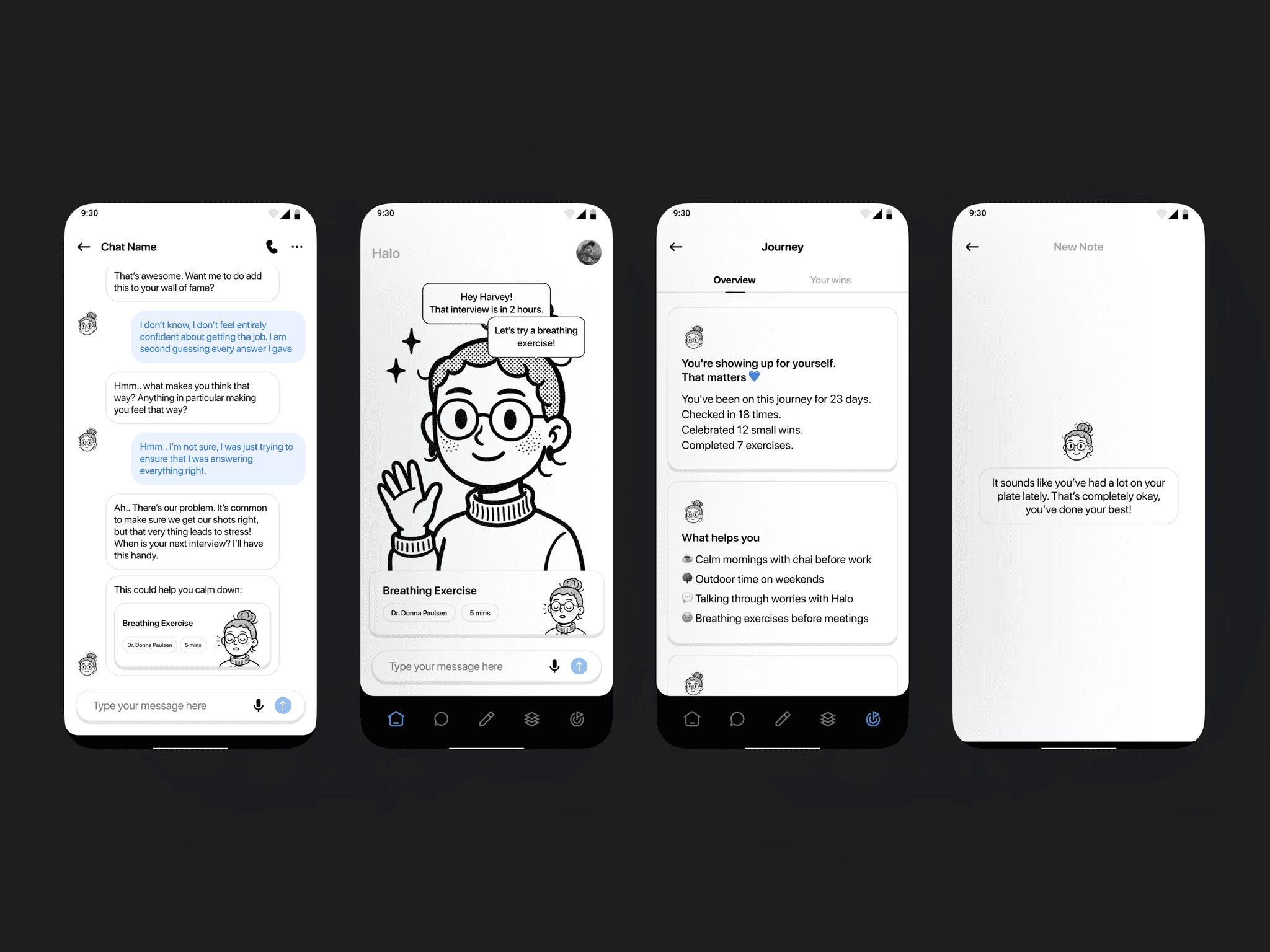
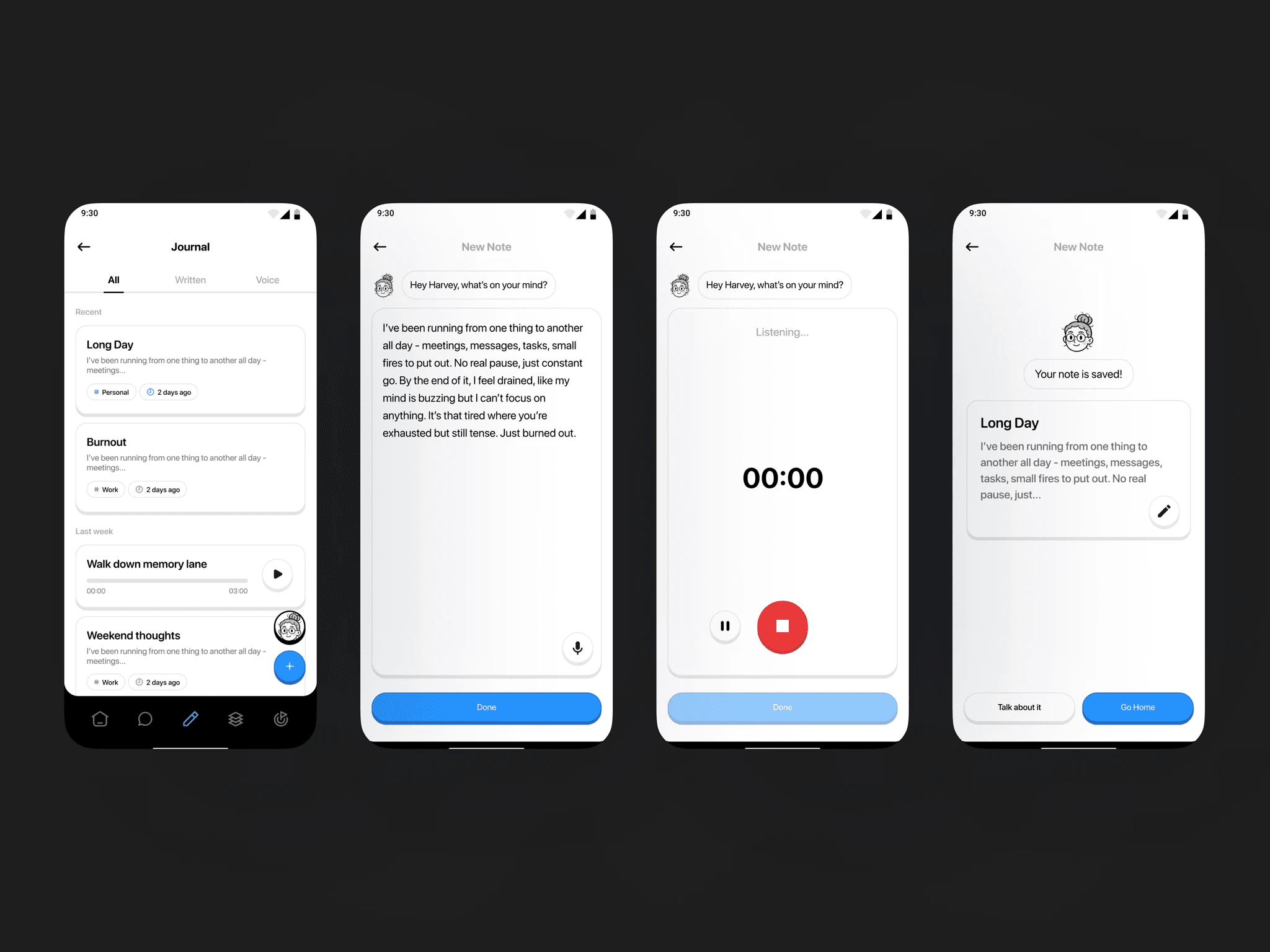
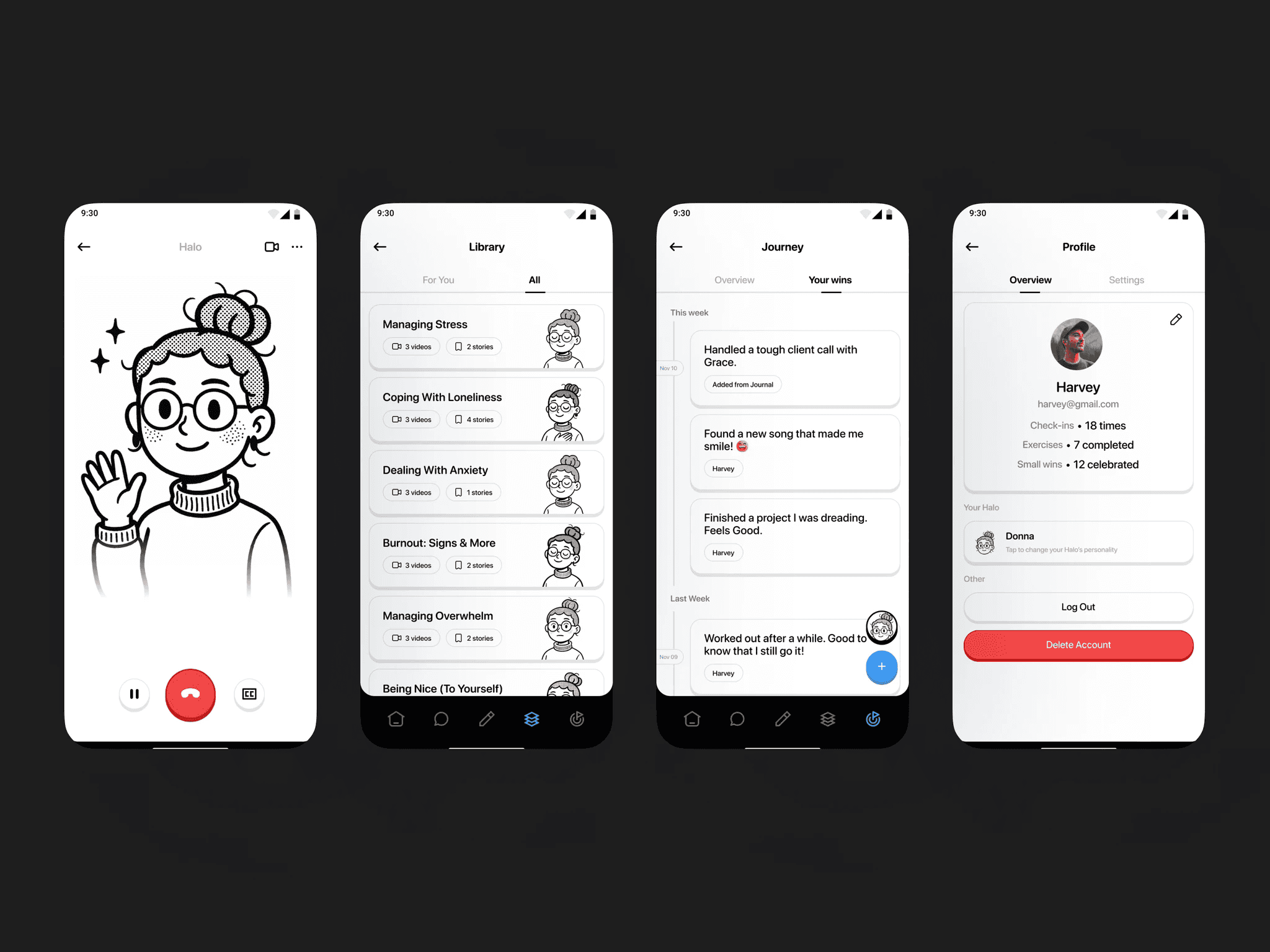
Proactive check-in system, calendar integration, crisis handoff pathway, wins memory, and end-of-day reflection flows.
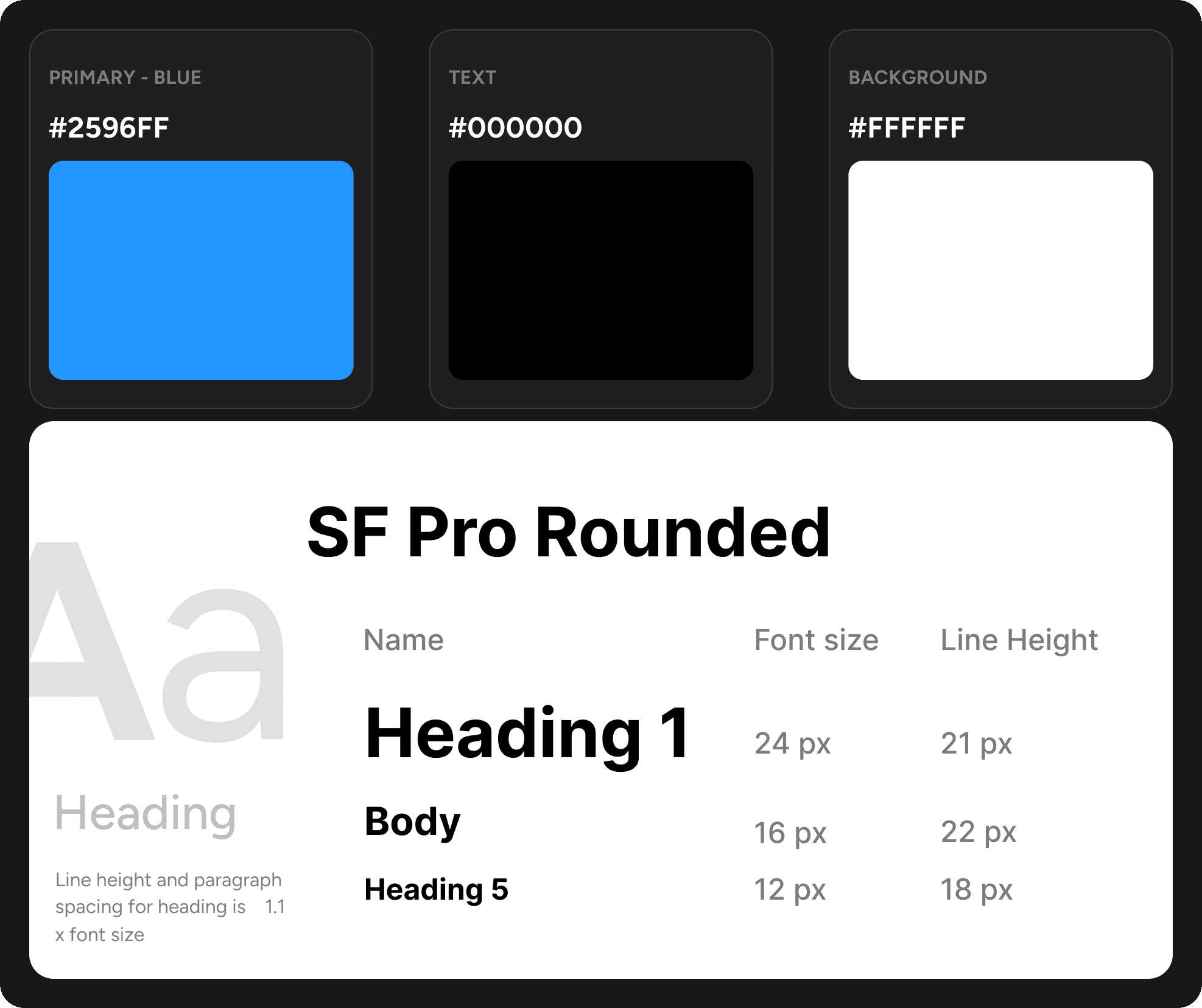
Visual Language
Every line of copy written as the words we wished someone had said to us soft, present, and unconditionally kind.
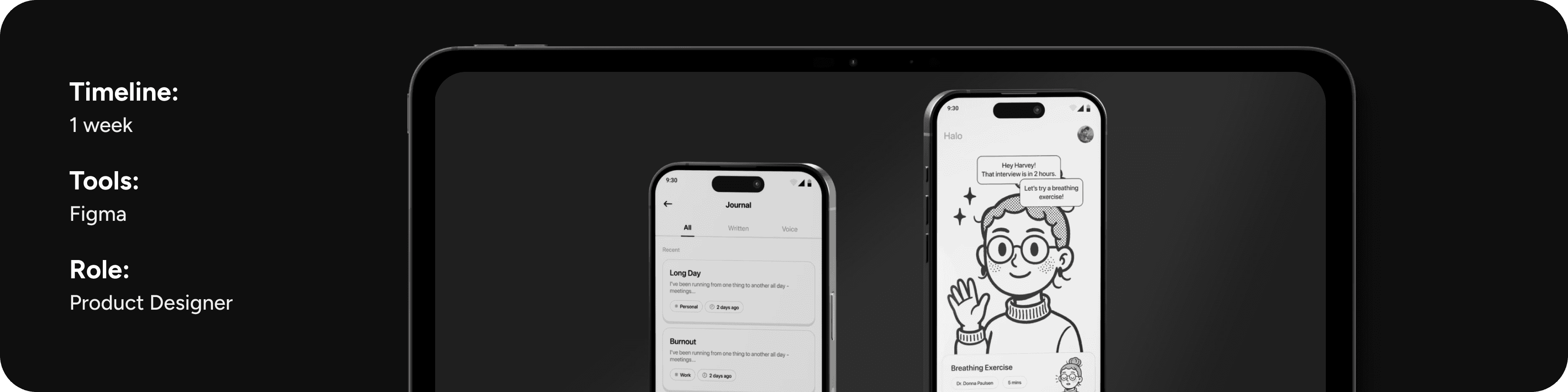
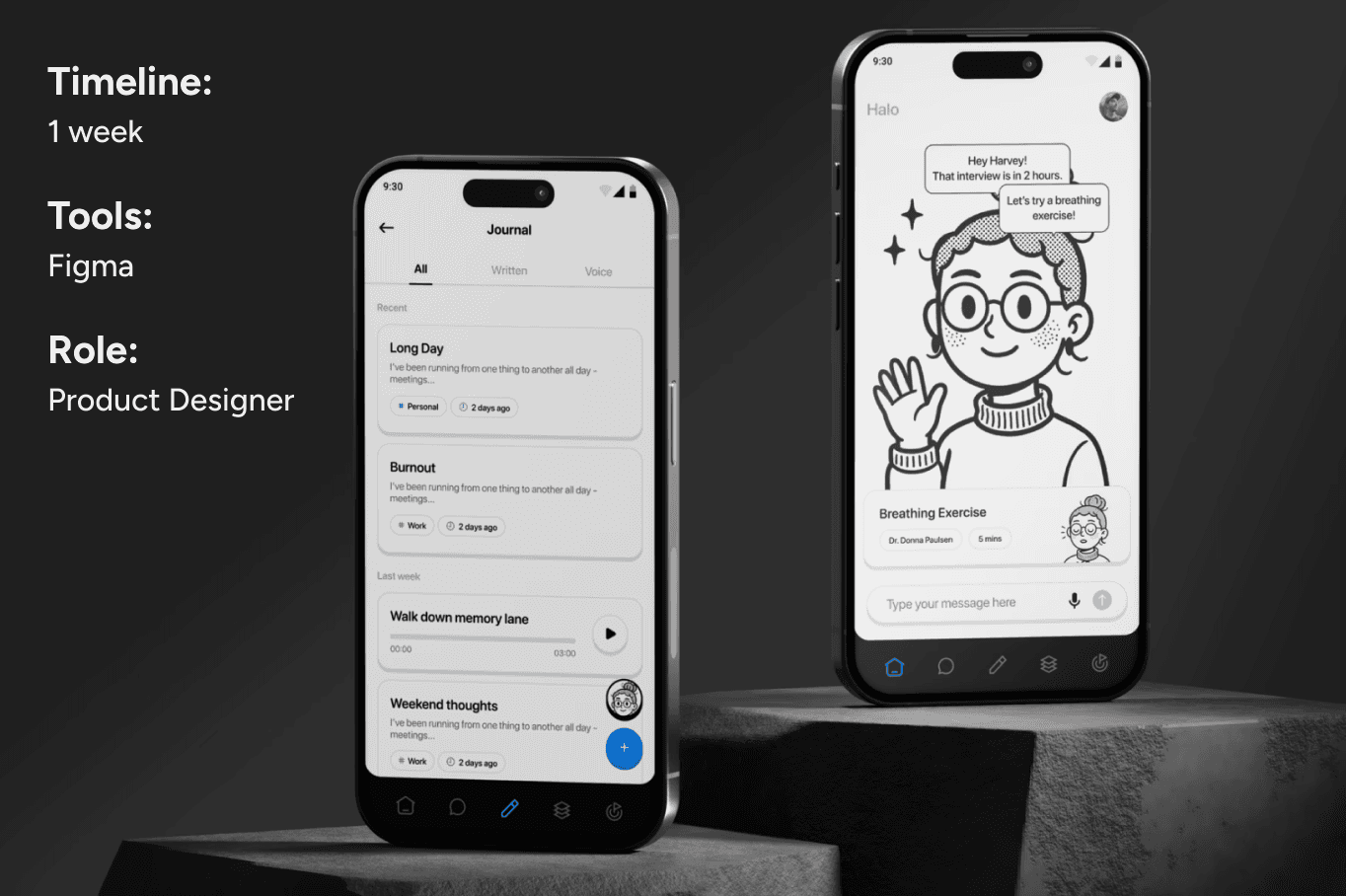
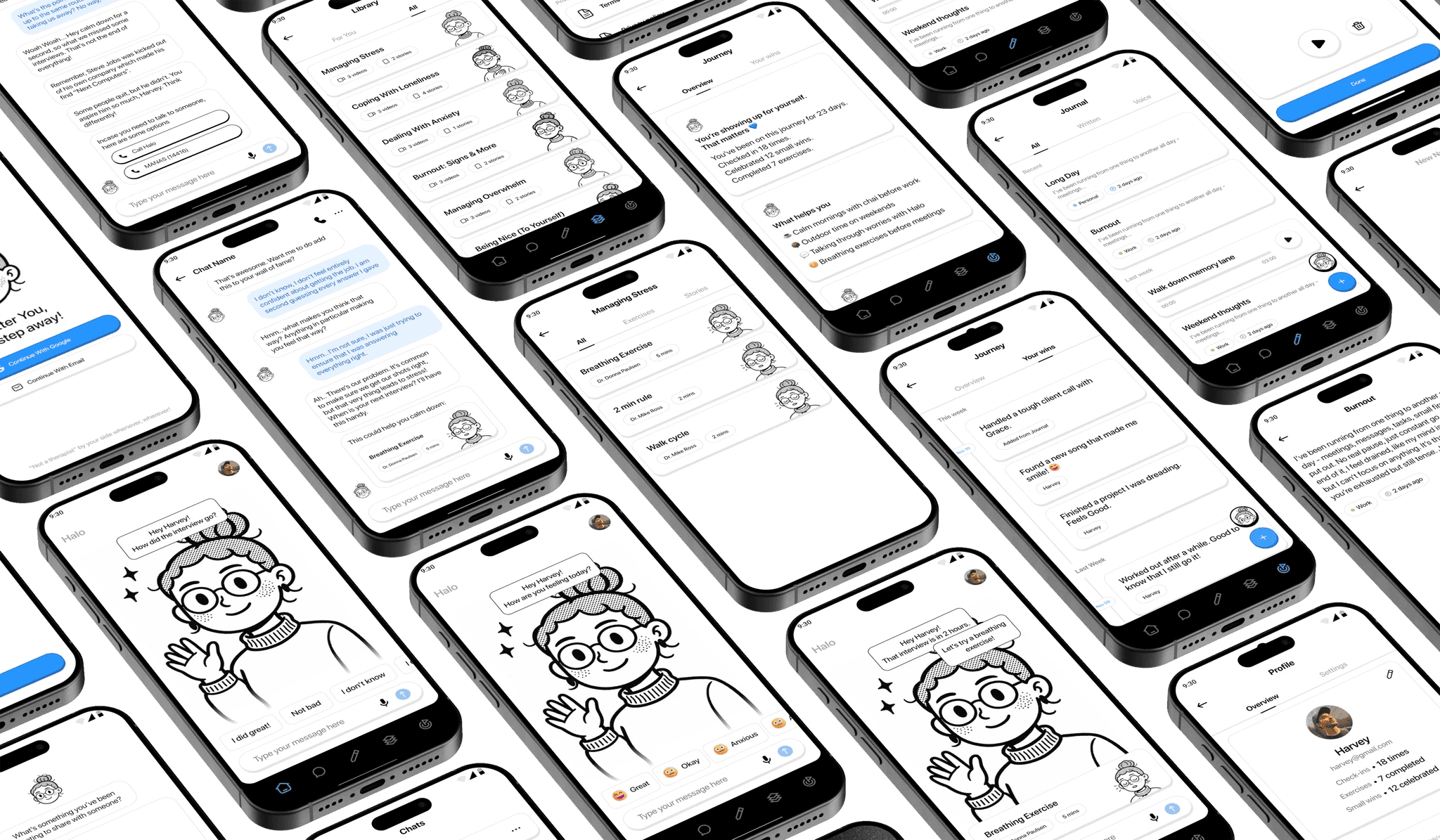
HALO is a mobile experience designed to support young professionals who struggle with emotional fatigue, burnout, and the absence of everyday support. Instead of functioning like another mood tracker or wellness tool, HALO acts as a gentle companion someone who listens, reflects, and stays present without demanding anything in return.
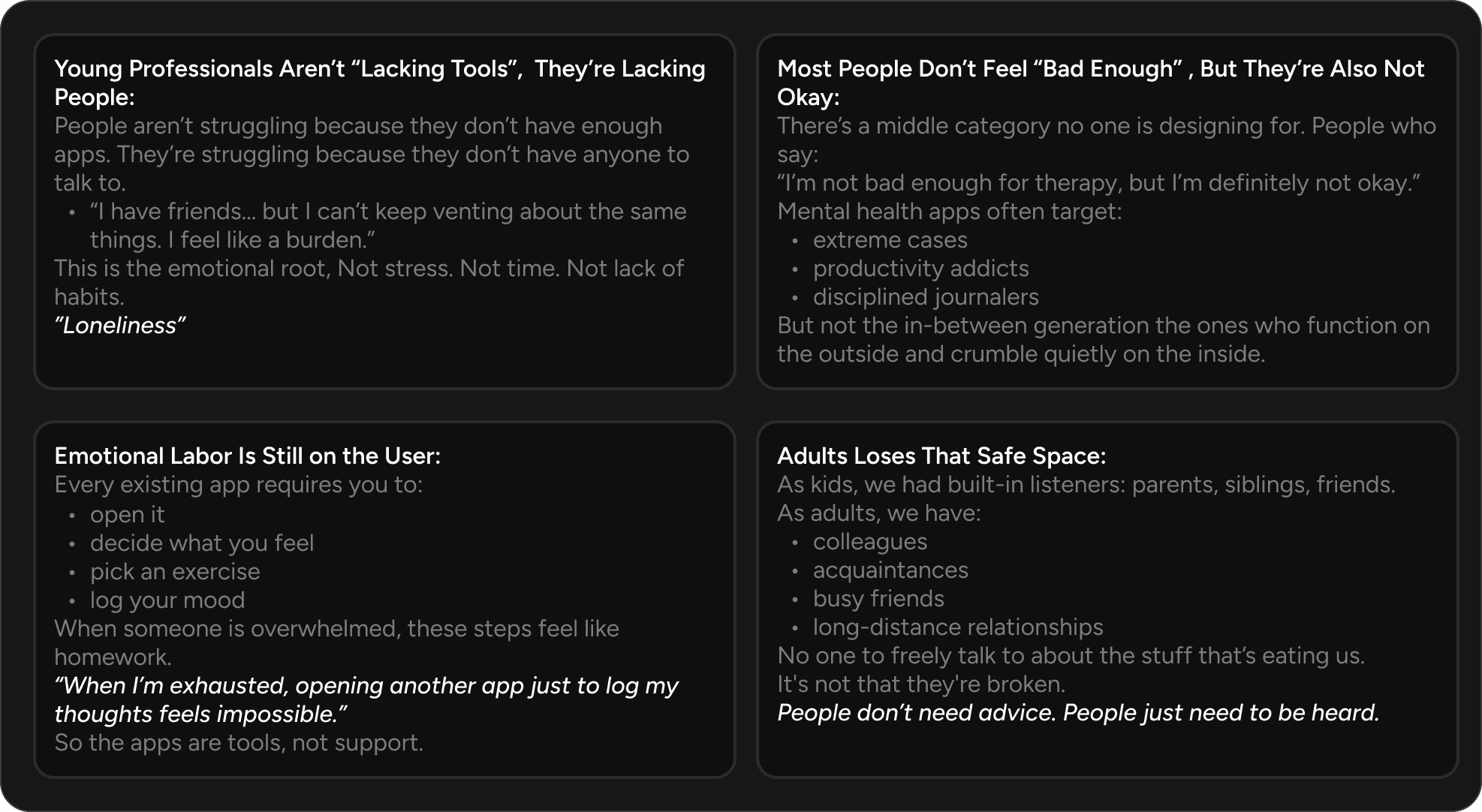
Bro… I'm already drowning. Why are you giving me homework?
-This frustration became the starting point for Halo
"Why do we find it easier to open Chatbot about our feelings than talk to actual people?"
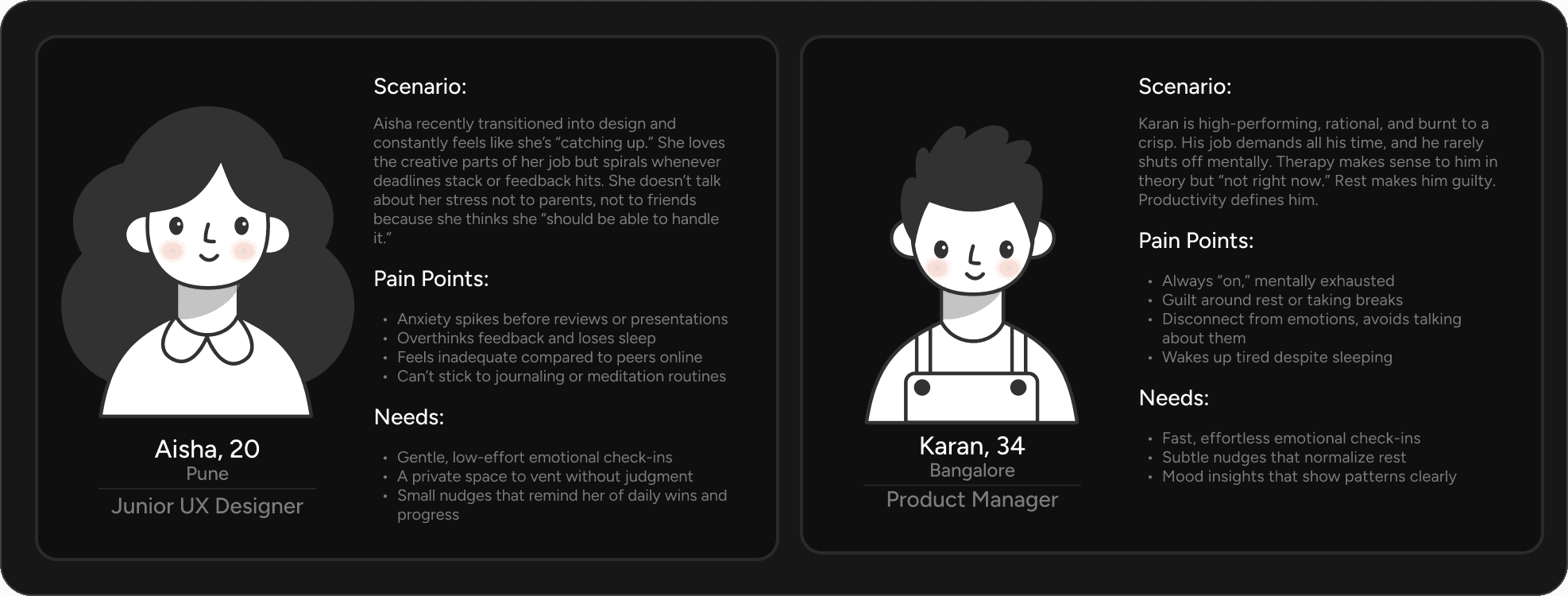
We didn't conduct fancy research sessions. We just talked. Honestly.
About all the things we never admit:
I don't want to bother my friends.
Therapy feels too big for what I'm feeling.
I feel guilty for not being okay.
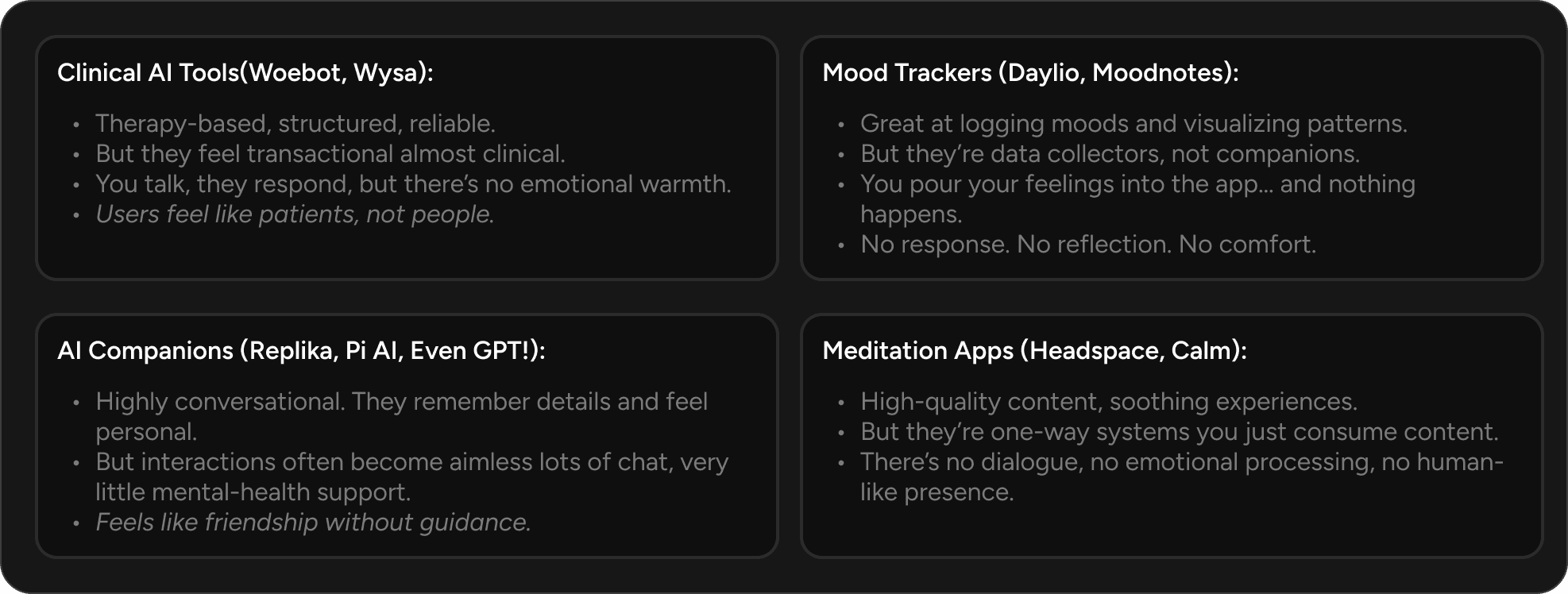
I'm tired of apps that don't remember my life.
And from that mess, one idea clicked:
People don't need another mental-health tool. They need someone who shows up.
Phase 01
Honest Conversations
We talked honestly about loneliness, burnout, and what support actually looks like at 3 AM.
Being human was our research.
Phase 02
Many Horrible Mascots
Blobs, cartoons, spheres nothing felt right. We iterated until we found something that felt like quiet, warm company.
Phase 03
Kill Gamification
Best decision we made. No streaks, no badges. HALO should care even when you do nothing especially then.
Why does Notion's mascot make me smile? Why do I feel more comfort from that little thing than from most mental health apps?
— 2 AM brainstorm. The moment HALO was actually born.
Learnings.
The Root Cause: The root cause is often deeper than the surface problem. We thought people needed better tools. They actually needed someone who listens. Understanding that distinction changed everything about our design direction.
Reactive vs. Proactive: When you have to initiate everything, it feels like work. When support comes to you, it feels like care. This shift is the core innovation of HALO, and it's elegantly simple.
Character Interfaces: Character-based interfaces change human-computer relationships. HALO as a presence not a tool addresses loneliness in ways features never could. The mascot isn't cosmetic. It is the product.
Ethics First: Ethical responsibility must be designed in, not added on. Crisis detection, privacy safeguards, and clear positioning as companion — not therapist were core requirements, not post-launch concerns.
Cultural Context: What works for Western users doesn't translate directly. Family dynamics, social pressure, and stigma specific to Indian young professionals shaped every design choice from the ground up.
Support Isn't Earned: People don't need to be fixed. They need to be held. A simple "I'm here for you" is enough to soften the weight of an entire day. Design isn't pixels it's intentions. Being human is the strongest research method.